

Navigating Your GLP-1 Program at Home: What to Know Before You Start
Provider-supervised GLP-1 therapy is one of the most clinically effective approaches to metabolic health management available today. Successfully navigating it at home requires understanding how the medication works, what to expect during treatment, and how to integrate it with the lifestyle changes that determine long-term success. This guide covers everything you need to start and sustain your at-home GLP-1 program confidently.
How GLP-1 Medications Work
GLP-1 receptor agonists mimic glucagon-like peptide-1, a natural gut hormone released after meals. By activating GLP-1 receptors throughout the body, these medications produce multiple simultaneous effects: they stimulate insulin secretion in response to elevated blood glucose, slow gastric emptying so meals produce sustained fullness, suppress glucagon (which raises blood sugar), and signal the brain’s satiety centers to reduce appetite. The result is a meaningful reduction in caloric intake alongside improved blood sugar regulation — the combined mechanism that makes GLP-1s effective for metabolic health management.
Obesity as a Chronic Metabolic Condition
Excess weight is recognized by major medical organizations as a chronic metabolic disease — not a lifestyle failure or personal choice. Excess adipose tissue disrupts hormonal signaling, creates systemic inflammation, and drives metabolic dysregulation that makes sustained weight loss extremely difficult without clinical support. GLP-1 medications address the underlying hormonal mechanisms, which is why they are significantly more effective than diet and exercise alone for many patients — and why provider supervision is essential throughout your program.
Setting Realistic Expectations
What Good Progress Looks Like
GLP-1 therapy is a long-term metabolic management tool — not a short-term fix. Clinical trials have demonstrated meaningful body weight reductions in participants on both semaglutide and tirzepatide programs. Individual results vary significantly based on the specific medication, dose achieved, health profile, adherence, diet, and physical activity. Your CoraDoc licensed provider will set individualized expectations based on your specific starting point and goals — not generalized population averages.
Side Effects vs. Therapeutic Effects
Reduced appetite and feeling full after smaller portions are therapeutic effects — this is the medication working as designed. GI discomfort such as nausea, constipation, or diarrhea during dose escalation are transient side effects that typically resolve within 4–8 weeks. Knowing this distinction prevents premature discontinuation during the adjustment period. If side effects are severe or persistent, contact your provider — dose adjustments are a clinically established and effective solution.
Long-Term Commitment
Research consistently shows that weight regain is common after stopping GLP-1 therapy without adequate lifestyle change reinforcement. Approach GLP-1 treatment as ongoing metabolic management. Use the appetite suppression window to build dietary habits and activity patterns that can sustain your progress independently over time. Your CoraDoc provider will work with you on a maintenance strategy appropriate for your program and goals.
Safe At-Home Administration
Injection Technique
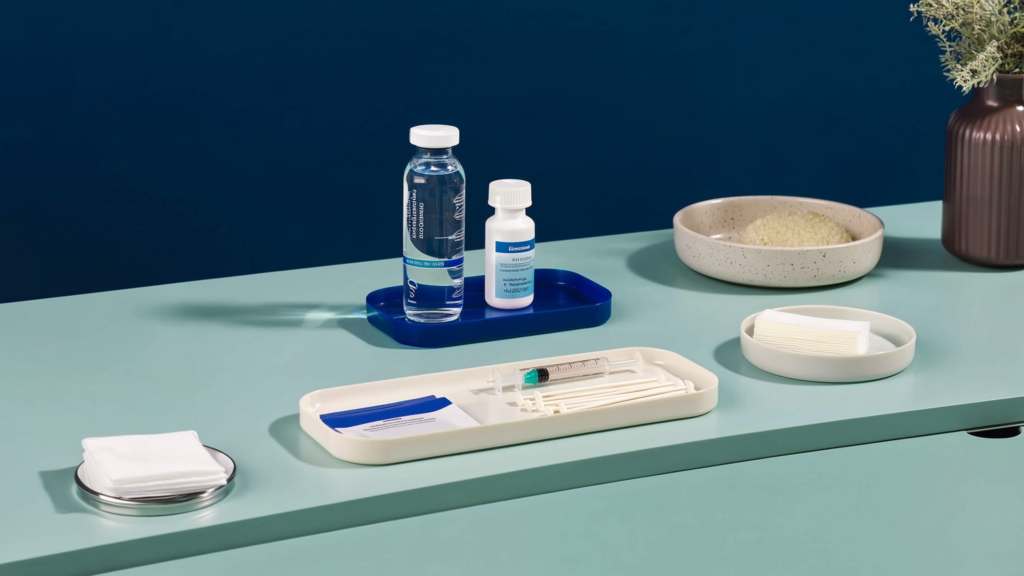
CoraDoc patients receive all necessary supplies — needles, syringes, and alcohol prep pads — as part of the Triple Free Promise. Your free licensed provider consultation includes injection technique guidance. Key principles: rotate injection sites weekly between the abdomen, outer thigh, and upper arm (as directed by your provider); allow the alcohol swab to dry before injecting; inject steadily at the correct angle; apply gentle post-injection pressure without rubbing. Store your medication per the instructions included with your shipment.
Following Your Titration Schedule
Your provider prescribes a graduated titration schedule — starting at a low dose and increasing every 4 weeks. Do not advance your dose ahead of schedule. Premature dose escalation is the leading cause of severe GI side effects and early treatment discontinuation. If you miss a dose, take it as soon as you remember, unless your next scheduled dose is within 1–2 days — in that case, skip the missed dose and resume your regular schedule. Do not double-dose. Contact your provider if uncertain.
When to Seek Immediate Medical Attention
Contact emergency services or your provider urgently for: severe abdominal pain that does not resolve, persistent vomiting where you cannot keep fluids down for 24+ hours, signs of allergic reaction (hives, swelling, difficulty breathing), or symptoms of hypoglycemia (shakiness, confusion, rapid heartbeat) — particularly if you are also on insulin or other diabetes medications.
Integrating Lifestyle Changes
Nutrition During GLP-1 Therapy
GLP-1 medications suppress appetite — they do not guide your food choices. Every meal matters. Prioritize lean protein (0.7–1.0 g per pound of body weight daily), non-starchy vegetables, and whole grains. Protein is critical for preserving muscle mass during weight loss. Avoid ultra-processed foods and excessive sugar, which can trigger GI side effects and blunt appetite-regulating effects. Eat smaller, more frequent meals during the adjustment period rather than forcing large portions.
Physical Activity
Exercise is not optional in a well-designed GLP-1 program. Resistance training is particularly important for preserving lean muscle mass during weight loss — without it, the body may lose muscle alongside fat, which slows resting metabolic rate and complicates long-term maintenance. Even 150 minutes of moderate weekly activity (brisk walking, cycling, resistance training) produces measurable improvements in metabolic markers. Build intensity progressively as your body stabilizes during treatment.
Sleep and Stress Management
Poor sleep and chronic stress both elevate cortisol, which promotes fat storage, stimulates appetite, and can counteract GLP-1’s satiety signaling. Target 7–9 hours of quality sleep nightly. Implement a consistent daily stress-reduction practice — diaphragmatic breathing, outdoor activity, or mindfulness — to prevent cortisol-driven appetite increases from undermining your treatment response.
Managing Costs and Access
CoraDoc’s pricing eliminates the financial barriers common in GLP-1 programs: compounded semaglutide from $99/month (6-month plan, $595 total) and compounded tirzepatide from $149/month (6-month plan, $894 total). HSA and FSA funds are accepted. Afterpay, Klarna, and Affirm financing are available. No insurance required. No subscription. One payment covers your full program including free shipping and free supplies delivered through DIRX pharmacy.
Frequently Asked Questions
How quickly does GLP-1 therapy start producing results?
Most patients notice reduced appetite within 2–4 weeks of starting. Full therapeutic effects develop gradually over 8–16 weeks as the dose titrates upward. Individual results vary based on dose, health profile, diet, physical activity, and adherence.
What should I do if I experience severe nausea?
Contact your CoraDoc provider. Severe nausea often indicates the current dose needs to be temporarily held or reduced. Do not push through severe GI symptoms without provider guidance — dose adjustments are a safe, effective clinical tool and are a standard part of GLP-1 program management.
Can I exercise on GLP-1 medications?
Yes — and exercise is strongly encouraged throughout your program. Start with lower-intensity activity during the first weeks if GI symptoms are active. Build toward regular resistance training and cardiovascular activity as your body stabilizes. Physical activity significantly improves GLP-1 treatment outcomes and helps preserve muscle mass during weight loss.
What makes CoraDoc different from other GLP-1 programs?
CoraDoc is LegitScript certified — one of the few GLP-1 telehealth platforms nationally to hold this credential. Every program includes a free licensed provider consultation, free 2-day shipping through DIRX pharmacy, and free supplies. One payment. No subscription. No hidden fees. All 50 states.
LegitScript Certified · All 50 States · No Subscription
Start Your At-Home GLP-1 Program — From $99/Month
Free licensed provider consultation. Free 2-day shipping through DIRX pharmacy. Free supplies. One payment — no subscription.
Begin Your Free Consultation →
Questions? Call 855-983-5336 or email careteam@coradoc.com
Medical Disclaimer
CoraDoc™ provides access to compounded semaglutide and compounded tirzepatide prescribed by licensed physicians following individual medical review. Compounded medications are not FDA-approved as finished drug products. Eligibility is determined solely by a licensed provider based on your individual health profile. Individual results vary — outcomes depend on dosage, adherence, diet, physical activity, and individual health factors. This content is for general informational purposes only and does not constitute medical advice. Always consult a qualified healthcare provider before starting any prescription program. CoraDoc™ is LegitScript certified. Questions? Call 855-983-5336 or email careteam@coradoc.com.