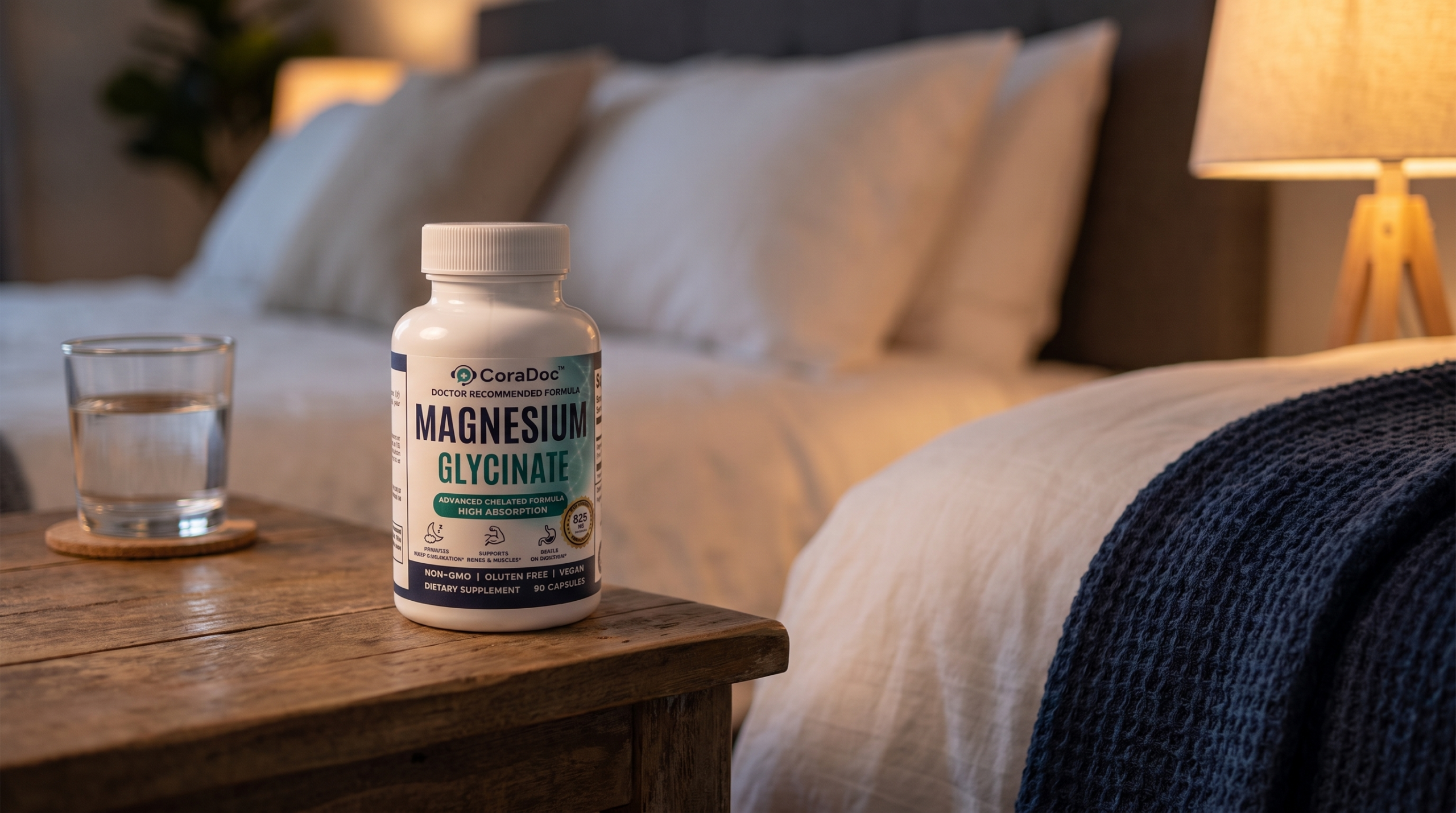
Magnesium is one of the minerals providers recommend most on semaglutide and tirzepatide. Here is how it supports sleep, muscle cramps, and regularity — plus which form to choose and when to take it.
Protein is the most important nutrient to prioritize on semaglutide or tirzepatide. Here is how much you need, why it supports lean muscle, and easy ways to hit your target when appetite is low.
A provider's guide to the supplements most worth considering on a GLP-1 program — protein, magnesium, creatine, fiber and more — with how to choose quality products. Not medical advice.
If you’ve been following GLP-1 news lately, you’ve probably seen headlines about the FDA, compounding pharmacies, and telehealth companies. It’s a lot to sort through — and if you’re considering a provider-supervised weight management program, you deserve a straight answer. Here’s what’s actually happening and what it means for you. What Is Compounded Semaglutide? LegitScript Talk to a Board-Certified Doctor Free consultation. 15,000+ patients. From $99/month ✓ Free visit ✓ Free shipping ✓ Free supplies Start Free Consultation → Affirm. Klarna. Afterpay. HSA/FSA Compounded semaglutide is a prescription medication prepared by a licensed compounding pharmacy. It contains the same active ingredient as brand-name GLP-1 medications but is not the same product as Ozempic, Wegovy, or any other FDA-approved finished drug. Compounded medications are legal under federal law when prepared by FDA-registered pharmacies and prescribed by licensed healthcare providers for individual patients. Is Compounded Semaglutide Legal in 2026? Join 15,000+ Patients Check eligibility in under 10 minutes No insurance No fees All 50 states Begin Free Quiz → Affirm. Klarna. HSA/FSA. 0% APR Yes — compounded semaglutide remains legal in 2026 under specific conditions. The FDA permits compounding when a drug appears on the shortage list or when a patient has a demonstrated medical need that cannot be met by a commercially available product. Licensed 503A and 503B pharmacies operating under FDA oversight may legally compound semaglutide for individual patients when prescribed by a licensed provider. CoraDoc works exclusively with LegitScript-certified telehealth infrastructure and dispenses only through DIRX, an FDA-registered pharmacy. Every prescription is reviewed and issued by a licensed physician before any medication is dispensed. What Did the FDA Actually Say? Medical Care from $99/Month Semaglutide and tirzepatide programs Triple free promise All 50 states Licensed doctors View All Programs → Affirm. Klarna. Afterpay. HSA/FSA accepted In early 2025, the FDA declared the semaglutide shortage resolved, which created uncertainty about whether compounding could continue. However, compounding pharmacies and telehealth providers have continued operating legally under 503A rules, which allow patient-specific compounding regardless of shortage status when medically appropriate. The FDA has also signaled increased scrutiny of misleading advertising — specifically targeting companies making unsupported weight loss claims or misrepresenting compounded products as equivalent to brand-name drugs. CoraDoc has never made those claims. Our compliance standards are built around LegitScript certification requirements, which include strict advertising guidelines, transparent pricing, and licensed provider oversight. What Should You Look for in a Compounded GLP-1 Provider? LegitScript Get Started in 3 Simple Steps Intake. Doctor consult. Free delivery. 1 10-min intake 2 Free video visit 3 Free delivery Start Free Consultation → Join 15,000+ patients. Affirm. Klarna. HSA/FSA Not all telehealth providers operate the same way. Here’s what matters: LegitScript certification — verifies the platform meets pharmacy and telehealth compliance standards FDA-registered pharmacy — your medication should be dispensed by a licensed, inspected facility Licensed physician oversight — a real provider should review your health profile before prescribing Transparent pricing — no hidden fees, no surprise subscription charges Clear compliance language — any provider making specific weight loss guarantees or claiming their product is “the same as” a brand-name drug is operating outside FDA guidelines CoraDoc meets all of these standards. Our providers review every patient individually and set realistic goals based on your personal health profile. What Makes CoraDoc Different? Start Free Quiz. $99/Month Free visit. Free shipping. 15,000+ patients trusted Get Started Risk-Free → Affirm. Klarna. Afterpay. HSA/FSA. LegitScript CoraDoc is a LegitScript-certified national GLP-1 telehealth platform operating in all 50 states. We offer compounded semaglutide and compounded tirzepatide programs on a one-time payment model — no subscriptions, no auto-renew, no hidden fees. Every CoraDoc program includes: Free provider visit — your licensed physician reviews your health profile at no charge Free 2-day shipping — dispensed through DIRX pharmacy directly to your door Free supplies — syringes and supplies included Your licensed provider will work with you to set realistic goals based on your individual health profile. The Bottom Line Check Eligibility. No Insurance Needed All 50 states. Triple free promise. Licensed doctors Begin Your Free Quiz → Affirm. Klarna. Afterpay. HSA/FSA. 0% APR Available Compounded semaglutide is legal in 2026 when prescribed by a licensed provider and dispensed by an FDA-registered pharmacy. The regulatory environment is evolving, and it’s more important than ever to choose a provider that operates with full transparency and proper certification. CoraDoc was built for exactly this moment — compliant, certified, and committed to putting patients first. Compounded semaglutide and compounded tirzepatide are prescription medications dispensed only after individual review by a licensed healthcare provider. Not FDA-approved as finished drug products. Not the same as Ozempic, Wegovy, Mounjaro, or Zepbound. Individual results vary. For informational purposes only. Not medical advice.
Get GLP-1 medications without insurance from $99/month. Doctor-prescribed compounded semaglutide and tirzepatide. Free consultation, free shipping, free supplies. All 50 states.
Get compounded tirzepatide online from $149/month. Doctor-prescribed, free consultation, free overnight shipping, free supplies. No insurance needed. All 50 states. LegitScript certified.
Get compounded semaglutide online from $99/month. Doctor-prescribed, free consultation, free overnight shipping, free supplies. No insurance needed. All 50 states. LegitScript certified.
“Food noise” — the persistent mental preoccupation with eating, intrusive cravings, and compulsive awareness of food — is one of the most underreported burdens of metabolic dysregulation. For many patients who start a provider-supervised GLP-1 program, the quieting of this mental noise is among the first and most transformative effects they notice. This guide explains what food noise is, how GLP-1 medications address it hormonally, and what to realistically expect during treatment. What Is Food Noise? Food noise refers to persistent, intrusive mental preoccupation with food — thoughts about when to eat next, what to eat, and constant background awareness of food-related stimuli. For some people it is low-level chatter. For others it is a consuming obsession that interferes with concentration, productivity, and daily function. Food noise is not a matter of willpower. It is driven by hormonal signaling — the interplay between ghrelin (the hunger hormone), insulin, GLP-1, and dopaminergic reward pathways in the brain. When these systems are dysregulated, food-related stimuli receive outsized neurological attention and appetite cues are amplified far beyond actual caloric need. The Hormonal Root Cause GLP-1 (glucagon-like peptide-1) is a gut hormone naturally released after meals that signals satiety to the brain and regulates blood sugar. In individuals with metabolic dysfunction, GLP-1 secretion can be blunted — meaning the body’s natural appetite-suppression signal is weaker. GLP-1 receptor agonist medications work by amplifying this signal pharmacologically, which is why their effect on food noise can be rapid and dramatic for many patients. How GLP-1 Medications Quiet Food Noise GLP-1 medications address food noise through multiple simultaneous mechanisms: Gastric slowing: Slowing the rate at which your stomach empties keeps you physically full longer, reducing the physical hunger signal that drives food preoccupation Central appetite regulation: GLP-1 receptors in the hypothalamus regulate appetite and the brain’s reward response to food — activating them reduces the drive to eat beyond satiety Blood sugar stabilization: By reducing post-meal blood sugar spikes and crashes, GLP-1 medications eliminate the craving surges that accompany glycemic instability Reward pathway modulation: Many patients report that hyper-palatable processed foods become significantly less appealing — a reflection of GLP-1’s effects on dopaminergic food reward signaling What to Expect: Cravings and Appetite Suppression How GLP-1s Reduce Cravings Within the first 2–4 weeks, most patients notice a meaningful reduction in the frequency and intensity of cravings. Foods that previously triggered compulsive eating may become far less compelling. Alcohol cravings often diminish as well. This reduction is not universal — individual response varies based on dose, starting metabolic state, and lifestyle factors. Individual results vary. Appetite Suppression: A Recalibration, Not an Absence Appetite suppression on GLP-1 therapy is a recalibration of hunger — not its elimination. Most patients feel satisfied with significantly smaller portions, reach fullness faster, and remain satisfied longer between meals. Use this reduced appetite intentionally: your body still requires adequate protein, micronutrients, and hydration. Target 0.7–1.0 grams of protein per pound of body weight daily to preserve muscle mass during weight loss. When Results Are Slower Than Expected Some patients feel discouraged when food noise quiets gradually rather than immediately. Several factors can blunt the initial response: Current dose: Therapeutic appetite regulation often requires higher doses reached after weeks of titration Chronic stress: Elevated cortisol directly stimulates appetite and can override GLP-1 satiety signaling Poor sleep: Sleep deprivation elevates ghrelin and suppresses leptin, counteracting the medication’s appetite-regulating effects Diet composition: High ultra-processed food intake maintains dopamine-driven cravings even with enhanced GLP-1 signaling If appetite control is insufficient after 8 weeks at your current dose, discuss a dose adjustment with your provider. Do not adjust independently. Broader Benefits Beyond Appetite GLP-1 receptor activation has systemic effects beyond food noise reduction: cardiovascular risk reduction in patients with type 2 diabetes, kidney-protective effects in diabetic nephropathy, improvement in nonalcoholic fatty liver disease markers, reduced joint load from weight reduction, and improvement in obesity-related sleep apnea severity. Lifestyle Integration for Optimal Outcomes Nutrition Prioritize lean protein, non-starchy vegetables, and whole grains. Nutrient-dense eating amplifies what the medication is already doing. High-fat, high-sugar, and ultra-processed foods can trigger GI side effects and blunt appetite-regulating effects. Adequate protein protects muscle mass during the weight loss process. Exercise Resistance training combined with GLP-1 therapy preserves muscle during weight loss and improves insulin sensitivity independently of the medication. Even 150 minutes of moderate weekly activity produces measurable improvements in metabolic markers, mood, and sleep quality — all of which enhance treatment outcomes. Stress and Sleep Chronic stress and poor sleep are the lifestyle factors most likely to undermine GLP-1 therapy. Both elevate cortisol, which promotes fat storage and counteracts satiety signaling. Target 7–9 hours of consistent sleep nightly and implement a daily stress-reduction practice to protect your treatment response. Frequently Asked Questions How quickly does food noise quiet down on GLP-1 medications? Many patients notice meaningful reduction within 2–4 weeks. The full effect typically develops over 8–16 weeks as the dose reaches therapeutic levels. Individual results vary based on dose, health profile, sleep, stress, and diet. Will I stop craving sweets entirely? Many patients report dramatic reductions in sweet and high-fat food cravings, with some reporting these foods simply no longer appeal to them. This is not universal. Individual results vary based on dose, metabolism, and lifestyle factors. What should I eat while my appetite is suppressed? Protein and vegetables first at every meal. Adequate daily protein (0.7–1.0 g per pound of body weight) is the single most important dietary target during GLP-1 treatment. Meet minimum protein and hydration targets even when appetite is low. Your CoraDoc provider can establish specific nutritional goals for your program. What does CoraDoc’s GLP-1 program include? Compounded semaglutide from $99/month and compounded tirzepatide from $149/month — with a free licensed provider consultation, free 2-day shipping through DIRX pharmacy, and free supplies. No insurance required. No subscription. Available in all 50 states. LegitScript Certified · All 50 States · No Subscription Ready to Quiet the Food Noise? Start From $99/Month. Free licensed provider consultation. Free 2-day shipping. Free
Understanding the Mechanisms Behind GLP-1 Side Effects LegitScript Talk to a Board-Certified Doctor Free consultation. 15,000+ patients. From $99/month ✓ Free visit ✓ Free shipping ✓ Free supplies Start Free Consultation → Affirm. Klarna. Afterpay. HSA/FSA Why GLP-1 Medications Cause Symptoms GLP-1 medications work by mimicking a hormone your gut naturally releases after you eat. When you take these meds, your body thinks it just got a big meal even if you haven’t eaten for hours. Your stomach holds onto food longer, which can slow digestion down quite a bit. This could mean you feel fuller for longer, and honestly, sometimes just plain uncomfortable. The whole process changes how your brain handles hunger and fullness signals too. With those kinds of changes, it’s not odd that your stomach and bathroom habits might go a bit haywire at first. Folks often notice things like nausea, constipation, or feeling bloated. It’s your digestive system getting used to a new pace, and not everyone’s gut keeps up with the change at the same speed. The side effects are basically your stomach and brain trying to work out a new routine together. Who Is Most at Risk for Side Effects? Some people find themselves stuck with more severe symptoms at the start. If you already have tummy troubles or a sensitive stomach, you might notice side effects more quickly or intensely. Folks with a history of digestive problems—like reflux, IBS, or gastroparesis—tend to have a rougher time when the medicine slows things down even further. Starting on a higher dose or increasing your dose pretty quickly doesn’t help either; it gives your body less time to get used to the new signals. Age can play a part, as can other medications you’re taking that impact how your gut or pancreas works. It’s a real mix, and everyone’s adjustment period can look different, even for people on the same exact drug. Comparison of Different GLP-1 Medications There are several GLP-1 meds out there, and not all cause the same side effects in every person. Semaglutide, tirzepatide, liraglutide, and dulaglutide are a few of the main ones. The brand, the dose, and how often you take it (daily, weekly, or as a pill) can all shape how you feel. Some folks find that older drugs like liraglutide are a bit easier on their stomachs, while others do better with newer medications like semaglutide given once a week. It sometimes comes down to trial and error. Even small tweaks, like switching from a daily shot to a weekly one, can make a real difference in what side effects you notice and how long they stick around. If the first GLP-1 you try isn’t a perfect fit, your provider might suggest a different one—it’s not one-size-fits-all. Gastrointestinal Side Effects: What to Expect Week by Week Join 15,000+ Patients Check eligibility in under 10 minutes No insurance No fees All 50 states Begin Free Quiz → Affirm. Klarna. HSA/FSA. 0% APR When you first start taking a GLP-1 medication, your digestive system is going to go through some changes. It’s pretty common to feel a bit off, especially in the beginning. Think of it like your body getting used to a new routine. The most talked-about issue is usually nausea. For many, this hits hardest in the first week or two, sometimes peaking a couple of days after your injection and then easing up as the week goes on. It’s not usually a constant thing, but it can be pretty noticeable. Beyond nausea, you might notice changes in your bathroom habits. Some people find they become more constipated, while others experience the opposite with diarrhea. Bloating is also a frequent complaint. These issues often go hand-in-hand with how the medication affects digestion speed. Your stomach empties more slowly, which is part of how the drug works to help you feel full, but it can definitely throw your system for a loop initially. Most of these gastrointestinal symptoms tend to improve significantly over the first month or so. By week three or four, many people find that the nausea isn’t as intense, and their bowel habits start to regulate. It’s not like flipping a switch, but a gradual settling down. While some mild digestive effects might linger, especially after a dose increase, the really disruptive symptoms usually fade as your body adapts to the medication over several weeks. Fatigue, Headaches, and Appetite Changes During Early Treatment Medical Care from $99/Month Semaglutide and tirzepatide programs Triple free promise All 50 states Licensed doctors View All Programs → Affirm. Klarna. Afterpay. HSA/FSA accepted Common Causes of Low Energy and Headaches When you first start taking a GLP-1 medication, it’s pretty common to feel a bit wiped out or get headaches. Think of it like your body doing a bit of a reset. You’re eating less, and your body is adjusting to that, plus the medication itself is changing how your metabolism works. This can leave you feeling tired, sometimes a lot. Headaches can pop up too, and for many people, they’re mild and go away with some basic pain relievers or just by drinking more water. It’s like your system is figuring out its new normal, and that can be a little draining at first. Timeline for Fatigue Improvement Most of the time, this feeling of being tired and the headaches don’t stick around forever. Usually, by the time you’re a few weeks into treatment, maybe around week four to six, you’ll start to notice a difference. Your energy levels should begin to climb back up, and those headaches should become less frequent or disappear altogether. It’s a gradual process, but most people find that the initial fatigue really does get better as their body gets used to the medication and the changes in eating habits. Strategies to Maintain Nutrition and Hydration Even though you might not feel like eating much, it’s super important to keep your body fueled and hydrated, especially when you’re feeling tired or getting headaches. Try to
Understanding The Core Differences: Semaglutide vs. Tirzepatide LegitScript Talk to a Board-Certified Doctor Free consultation. 15,000+ patients. From $99/month ✓ Free visit ✓ Free shipping ✓ Free supplies Start Free Consultation → Affirm. Klarna. Afterpay. HSA/FSA It can get a little confusing when you start looking at medications like semaglutide and tirzepatide because they seem so similar at first glance. Both are pretty amazing tools for managing weight and improving metabolic health, but they work a bit differently under the hood. Think of it like choosing between a really good, reliable car and a high-performance sports car – both get you where you need to go, but one might offer a bit more speed and power. Mechanism of Action: Single vs. Dual Agonists So, how do these drugs actually work? Semaglutide is what we call a single-agonist. It primarily targets the GLP-1 receptor. This hormone naturally helps slow down how quickly your stomach empties and tells your brain you’re full, which naturally curbs your appetite and helps manage blood sugar after meals. It’s a well-established pathway that’s proven effective. Tirzepatide, on the other hand, is a dual-agonist. It hits not just the GLP-1 receptor, like semaglutide, but also the GIP receptor. GIP is another hormone that plays a role in insulin release and fat cells. By working on both pathways, tirzepatide can offer a more potent effect on appetite and metabolism. This dual action is why it often leads to greater weight loss compared to semaglutide. It’s like having two signals telling your body to adjust, rather than just one. This difference in mechanism is a big reason why one might be a better fit than the other depending on your specific needs and how your body responds. How They Impact Appetite and Metabolism Because tirzepatide works on two different hormone pathways (GLP-1 and GIP) while semaglutide focuses on one (GLP-1), you often see a more pronounced effect on appetite and metabolism with tirzepatide. People taking tirzepatide might experience a deeper reduction in hunger and a greater feeling of fullness. This can translate into eating less overall and seeing faster changes on the scale. Semaglutide still significantly impacts appetite and metabolism, leading to reduced cravings and smaller portion sizes feeling satisfying. However, the dual action of tirzepatide can sometimes lead to more substantial shifts in body weight and metabolic markers. It’s not just about feeling less hungry; it’s about how the body processes food and stores fat, and tirzepatide’s dual approach seems to influence these processes more broadly. This is why tirzepatide is often considered for individuals seeking more changes in body weight. FDA-Approved Indications for Weight Management Both semaglutide and tirzepatide have received FDA approval for chronic weight management in adults who are obese or overweight and have at least one weight-related condition. Semaglutide, under brand names like Wegovy, is approved for this purpose. Tirzepatide, marketed as Zepbound, is also approved for weight management. While both medications are highly effective, the clinical trial data often shows tirzepatide achieving higher average percentages of weight loss compared to semaglutide. This difference in efficacy, stemming from their distinct mechanisms of action, is a key factor when deciding which medication might be more suitable for an individual’s specific weight loss goals and health profile. Tirzepatide vs. Semaglutide Weight Loss: Which Delivers More? Join 15,000+ Patients Check eligibility in under 10 minutes No insurance No fees All 50 states Begin Free Quiz → Affirm. Klarna. HSA/FSA. 0% APR CoraDoc offers both — at the nation’s lowest prices.Compounded Semaglutide from $99/month · Compounded Tirzepatide from Tirzepatide vs. Semaglutide Weight Loss: Which Delivers More? Medical Care from $99/Month Semaglutide and tirzepatide programs Triple free promise All 50 states Licensed doctors View All Programs → Affirm. Klarna. Afterpay. HSA/FSA accepted 49/monthFree doctor consultation · Free overnight shipping · Free supplies · No membership. Your CoraDoc provider will help you choose the right program for your health profile during your free consultation. So, you’re wondering which of these popular drugs, tirzepatide or semaglutide, might help you shed more pounds. It’s a fair question, and the short answer is that tirzepatide generally leads to greater weight loss. But let’s break down what that actually means in real life. When we look at the studies, like the SURMOUNT-1 trial for tirzepatide, people lost a significant chunk of their body weight. At the highest doses, some participants saw losses around 22.5%, which can add up to a lot of pounds – think 50-plus for some individuals. On the other hand, semaglutide, studied in trials like STEP 1, also showed impressive results, with average losses around 15% at its highest approved dose for weight management. So, while both are way more effective than just diet and exercise alone, tirzepatide seems to have a bit of an edge in terms of the sheer amount of weight lost. What does this difference in percentages translate to? For someone who weighs 250 pounds, a 15% loss with semaglutide might mean shedding about 37 to 38 pounds. Now, if that same person were to achieve a 22.5% loss with tirzepatide, that’s closer to 56 pounds. That’s an extra 18 to 20 pounds potentially coming off, which can make a big difference for joint pain, breathing, and overall mobility. It’s not just about the number on the scale; it’s about how that weight loss impacts your daily life, like being able to climb stairs more easily or feeling less discomfort. When is that extra weight loss really important? If you’re dealing with severe obesity and multiple health issues, like diabetes, high blood pressure, or sleep apnea, those extra percentage points can really matter. It might be the difference needed to qualify for certain surgeries, significantly reduce your risk for serious health events, or simply make a substantial improvement in your quality of life. For some, the goal is maximum change within a specific timeframe, and tirzepatide’s higher weight loss potential might align better with that. However, it’s not always about getting the absolute maximum. Semaglutide still